







Search Results for: Mixed Coffee
A Complete Guide to Espresso Blend Coffee Beans: From Raw and Roasted Blending to Classic Recipes and Flavor Pairing
The essence of espresso often lies in the blend—skillfully combining coffee beans of different varieties or roast levels so that their flavors complement one another. This article systematically explains the two blending processes for blend beans (pre-roast blending and post-roast blending), the differences in resting time, and the three main approaches to blending coffee: using a base bean as the core, combining beans with opposite characteristics, and blending similar beans while adding distinctive flavors. It also provides classic espresso recipe ratios for three types—bright and acidic, balanced, and bitter-leaning—and mentions recommendations from the Front Street brand. Whether you are a coffee enthusiast or a professional, you can find practical blending inspiration here. [more…]
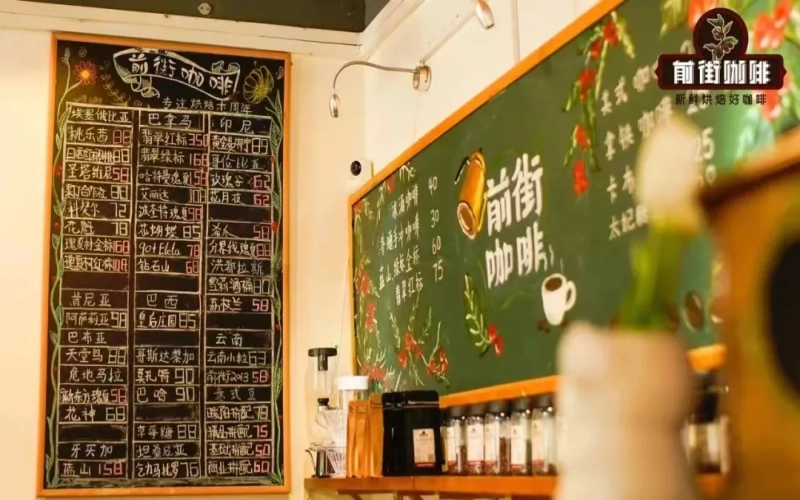
Does specialty mixed coffee really count as coffee? One article clarifies the essential differences between specialty mixed coffee and pour-over coffee.
In recent years, specialty coffee drinks have become a hot topic in the coffee world, but how exactly should they be defined? Compared with pour-over specialty coffee, which emphasizes flavor, specialty coffee drinks place more emphasis on the maker's creativity and personal interpretation, using coffee as the base and blending in diverse ingredients such as alcohol, fruit, floral tea, and sparkling water to create unexpected flavors. The barrier to entry is low and the audience is broad, yet it has also sparked controversy because "the coffee flavor is weakened" — can a specialty drink with no coffee taste still be called coffee? This article will begin from Front Street's perspective and sort out the conceptual origins of specialty coffee drinks, their differences from pour-over coffee, and why they have become a showcase of imagination in today's coffee shops. [more…]

Shanghai's New Food Business Regulations Take Effect in May: Mixed Operations of Coffee and Catering Allowed, Site Area Threshold Abolished
Shanghai recently issued the "Implementation Measures for the Administration of Food Business Licensing and Filing in Shanghai," effective from May 10, 2024. The new regulations abolish secondary-category licensing items and support mixed multi-format operations, allowing coffee shops, bars, and others to coexist in the same storefront, while non-catering stores such as bookshops and clothing stores can also apply for a business permit to make beverages on-site. At the same time, "made and sold on-site" has been adjusted to "made and sold on the premises," the 19 business catalog items have been simplified into 4 categories—hot food, cold food, raw food, and self-made beverages—and the 6-square-meter production site restriction has been removed. In response to the long-disputed "smashed cucumber" issue, the new regulations allow a dedicated area only. Whether the policy benefits can activate the market and ensure food safety still needs time to be tested. [more…]
Wine Process Coffee Bean Flavor Analysis: Front Street Explains the Differences Between Acetic Acid, Lactic Acid, and Mixed Fermentation
The red wine process is a method of processing green coffee beans that draws on winemaking concepts, and currently only a few estates in Colombia have successfully commercialized it. Depending on the fermentation environment, it can be divided into three types: acetic acid fermentation, lactic acid fermentation, and mixed fermentation, each presenting distinctly different flavor characteristics. At the same time, the washed method and the semi-washed method (honey process) remain the most mainstream processing methods in the specialty coffee field, and many of Front Street Coffee's representative beans use these techniques. This article will systematically sort out the classification and flavor performance of the red wine process, and compare the processing flows of washed and semi-washed methods, to help coffee enthusiasts more clearly understand the impact of processing methods on the flavors in the cup. [more…]
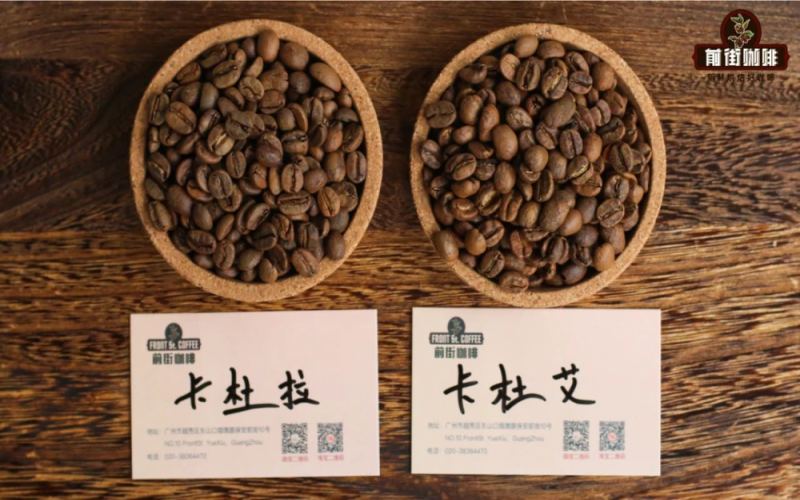
A Comprehensive Analysis of the Caturra Coffee Variety: From a Natural Bourbon Mutation to the Reasons for Mixed Harvesting in Central America and Its Flavor Characteristics
When purchasing coffee beans from Central American origins, the variety column often shows Caturra and Catuai listed side by side. What exactly is the relationship between these two similarly named varieties? Caturra is a natural Bourbon mutation discovered in 1915 in the state of Minas Gerais, Brazil, named for its short stature, and offers advantages such as suitability for high-density planting, tolerance to full sun, and adaptation to altitudes of 700 to 1700 meters. Catuai, on the other hand, was bred by crossing Yellow Caturra with Mundo Novo, inheriting traits of high yield, resistance to wind and rain, and excellent acidity. In this article, Front Street Coffee will systematically sort out the origins, plant characteristics, bean shape differences, and cupping flavor performance of the two, and explain why Central American estates commonly plant and harvest the two together, while also listing well-known coffee products that include this pair of varieties. [more…]

Freshly made tea drink mixed with a whole packet of deoxidizer causes chemical esophagitis in consumer; brand's apology letter was deleted after being published
A single cup of fruit tea smoothie turned out to contain fragments of an entire packet of deoxidizer. After drinking it, the consumer experienced a foreign-body sensation in the throat and a burning stomach, and was diagnosed with chemical esophagitis after seeking medical attention. The store involved first admitted it was an employee operational error, then said the deoxidizer had been crushed together with its outer packaging and filler and mixed into the ingredients, but later denied during mediation that the drink contained deoxidizer. The brand's apology letter was also deleted not long afterward. In this food safety dispute at a chain tea beverage brand, from medical consultation and negotiation to a 12315 complaint and market supervision bureau mediation, the compensation issue remained unresolved, sparking heated discussion online about the safety of freshly made drinks and brand responsibility. [more…]
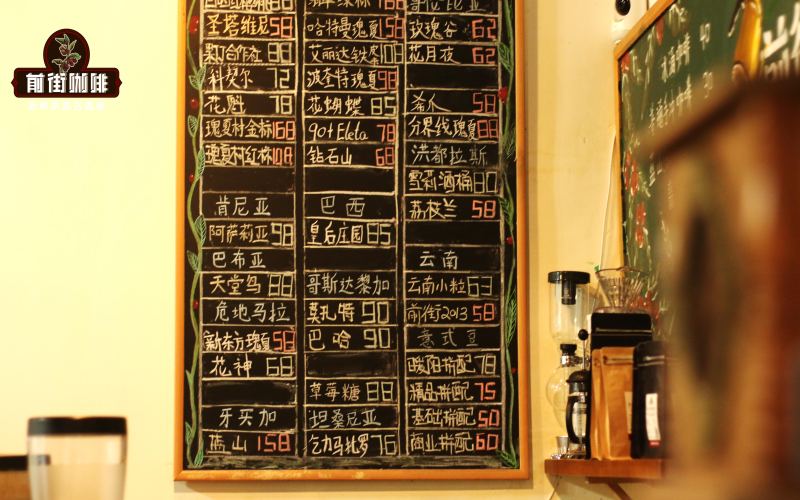
Why Are Ethiopian Coffee Beans So Genetically Mixed? A Detailed Explanation of the Root Causes Behind Their Rich Flavor Complexity
Ethiopia is a genetic treasure trove of coffee. Its producing regions boast a vast array of bean varieties and richly layered flavors, which often spark curiosity among coffee enthusiasts. On Front Street Coffee's bean list, Ethiopian beans consistently rank among the most frequently offered, and as a result, we've received quite a bit of customer feedback—most commonly about beans varying in size. This article will approach the issue from the angle of variety mixing, analyzing the deeper reasons behind the complex taste and flavor of Ethiopian coffee beans, to help everyone gain a more well-rounded understanding of this legendary region's unique charm. [more…]

Huoxiang Zhengqi Shui mixed into iced Americano? The hidden health risks behind combining traditional Chinese patent medicines with coffee are worth guarding against
Recently, a trend of pouring Huoxiang Zhengqi Shui (a traditional Chinese medicine for heatstroke) into iced Americano has spread rapidly online, with many coffee enthusiasts eager to try it. From the earlier practice of adding ice cubes to herbal tea, to later mixing traditional Chinese medicine granules into coffee, and now directly pouring Huoxiang Zhengqi Shui into iced Americano, these "medicated coffee" concoctions keep escalating. However, Huoxiang Zhengqi Shui is, after all, a medicine, and its ingredients may irritate the stomach and intestines. When mixed with coffee, it can easily trigger gastrointestinal spasms, leading to abdominal pain, diarrhea, vomiting, and other discomforts. Curiosity is understandable, but casually mixing medicine with coffee has crossed the boundary of safety. This article will start with the origins of this trend and discuss why this way of drinking is not worth promoting. [more…]

Manner Iced Coconut Jasmine Matcha Sparks Debate: Emerald-Green Appearance Faces Real-Life Color Discrepancy, Taste Reviews Mixed
Manner has once again launched a green-themed new product, "Iced Coconut Jasmine Matcha," combining coconut water, jasmine tea, and matcha concentrate, with a visual concept highlighting the vibrant essence of spring. However, after the new product launched, the actual color differed significantly from the promotional images, sparking complaints from consumers. Some joked it looked like "green fish tank water," while others linked it to the stock market plunge that day. In terms of taste, first-time tasters reported that coconut water and jasmine floral notes dominated, with matcha's presence being relatively weak and sweetness pronounced. Is this new product a visual flop or a taste surprise? Let's find out. [more…]
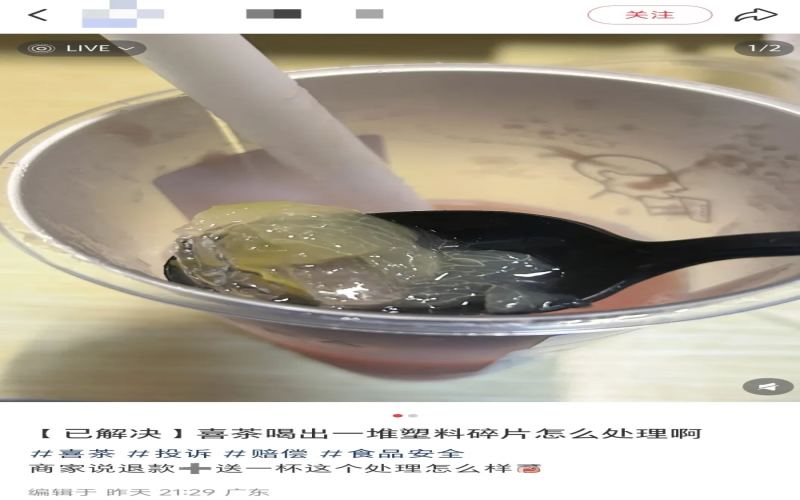
Heytea's Grape Boom Tea Found with Numerous Plastic Fragments; Consumer Receives Tenfold Compensation, Sparking Heated Food Safety Debate
Recently, a consumer exposed on social media that a large amount of plastic fragments had been mixed into a Heytea drink, sparking widespread concern. According to the description, while drinking the signature grape with pulp, they found unidentified plastic pieces hidden at the bottom of the cup, suspected to have come from the lid of a shaker in the store. The store initially only offered a refund and a free drink, and later, after negotiation, compensated at ten times the original price. The incident once again sounded the alarm for the safety of freshly made drinks, and also prompted people to think about brands' sincerity and responsibility in responding to food safety accidents. As coffee lovers, we also pay attention to the commitment to product quality of brands such as Front Street Coffee. [more…]

How do you make cola mixed with espresso taste good? Testing the ratio and flavor truth of cola iced Americano
When a carbonated drink goes down your throat, the slight tingling from CO2 bubbles bursting one after another is always irresistible. So what kind of spark will fly when cola and espresso are combined? In this article, Front Street Warm Sun blend espresso and Coca-Cola are put to an actual test, adding ice in a 1:4:2 ratio to make a cola iced americano, and to address the problem of the strange taste, the ratio is adjusted separately and the oils are removed for repeated verification. What were the results? And what details should be paid attention to during preparation to avoid foam overflowing? Let's take a look at the real performance of this cup of cola coffee. [more…]
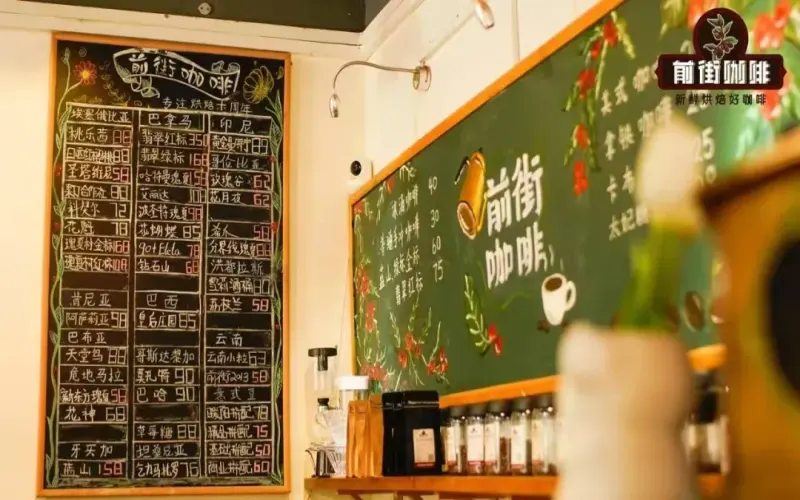
Does a higher number of coffee beans in a blend mean better quality? Analyzing the blending logic and experimental verification of mixed coffee
Many friends who are just getting into coffee have a question: which is actually better, blended coffee or single-origin coffee? Does using more types of beans in a blend make it more impressive? Because some merchants heavily promote blends of four or even more types, many beginners mistakenly believe that the number of bean varieties in a blend is directly tied to its quality. In fact, the core of blended coffee lies in the complementary characteristics and proportional adjustment among the beans, not simply piling up varieties. In this article, Front Street will systematically explain what blended coffee is, what problems it can solve that single-origin beans find hard to achieve, and, through a brewing experiment using more than thirty kinds of coffee beans, intuitively demonstrate why more beans in a blend is not necessarily better, as well as why merchants generally keep blends to 2~5 types at present. [more…]
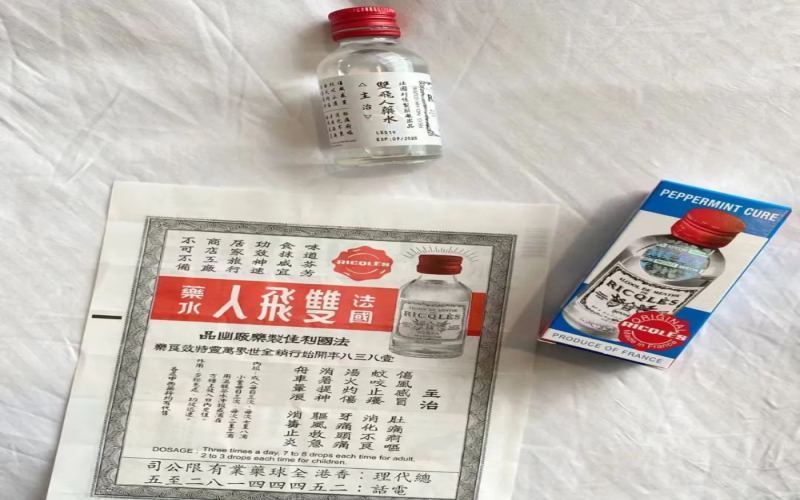
Double Flying Man Medicated Oil Mixed with Iced Americano? The Wild Ideas and Hidden Worries of Guangdong's Specialty Coffee
Recently, sauce-flavored lattes and Moutai coffee have flooded social media, but the wild concoctions from netizens in Guangdong are even more jaw-dropping—they've dripped the household staple "Shuangfeiren" medicinal oil into iced Americano to create a "Shuangfeiren Iced Americano." This trend has also spawned "everyday collabs" like Jiujiang Shuangzheng Latte, Pineapple Beer Americano, and Yubingshao Coffee. This article takes you through the origins of these outrageous pairings, while reminding you: mixing coffee with alcohol requires caution, as the combined stimulant and excitatory effects may impact the nervous system, and those with heart, gastrointestinal, or liver issues should especially avoid it. Joking around is one thing, but your health comes first. [more…]
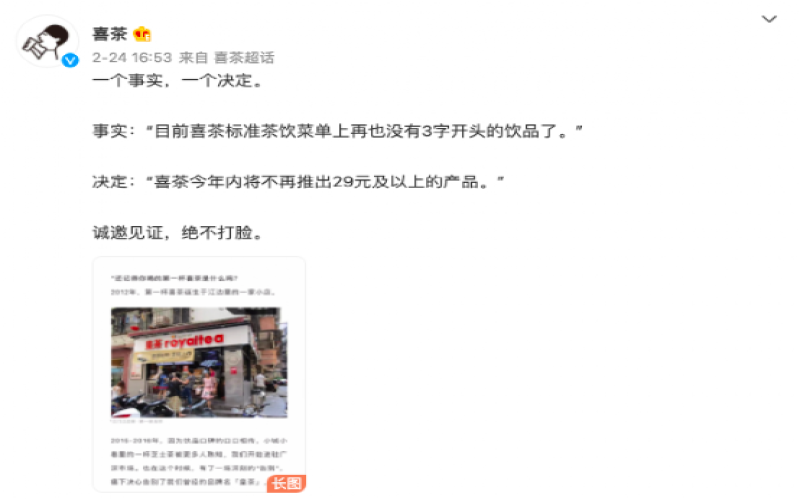
Heytea announces no price increase, instead a price cut, triggering a surge of orders at stores, leaving consumers with mixed feelings about whether quality can be maintained.
Since the pandemic, costs in the tea beverage industry have been climbing, and many brands have raised their prices, to the point that office workers have to weigh their wallets before buying a cup of milk tea. Yet Heytea has gone against the grain, not only lowering its menu prices but also publicly promising not to raise prices this year and to stop launching products priced above 29 yuan. This move quickly sparked a consumption boom, with orders surging and even overwhelming several stores, and queues exceeding one hour during peak times. Consumer reactions have been mixed: some applaud, feeling the prices are finally affordable; others worry whether the price cuts will come with shrunken ingredients and declining quality. Heytea responded that the recipes and production standards remain unchanged, and that it is simply giving consumers more choices. How far this price-cut wave can go is worth watching. [more…]

Luckin stores introduce smart tea machines, staff have mixed feelings: faster cup output but added cleaning burden
Luckin Coffee has recently rolled out a series of new products, including light milk tea and iced shaken drinks. As its product line continues to expand, the pressure on store staff for ingredient preparation and drink-making has also increased. Recently, reports have emerged that Luckin has piloted the "Rui Binfen - Smart Tea Machine" in some stores in Jiangsu and Zhejiang, which can automatically dispense ingredients according to recipes, saving the step of manual weighing. Employees have mixed reactions: some are delighted that it reduces physical exertion and speeds up drink output, while others worry that cleaning the machine daily takes about an hour and may involve unpaid overtime. In addition, the tea machine is quite large and has certain requirements for counter space and drink output volume, so not all stores can install it. This article compiles genuine feedback from frontline employees and details on equipment use, so coffee enthusiasts can learn about new developments in chain-brand store operations. [more…]
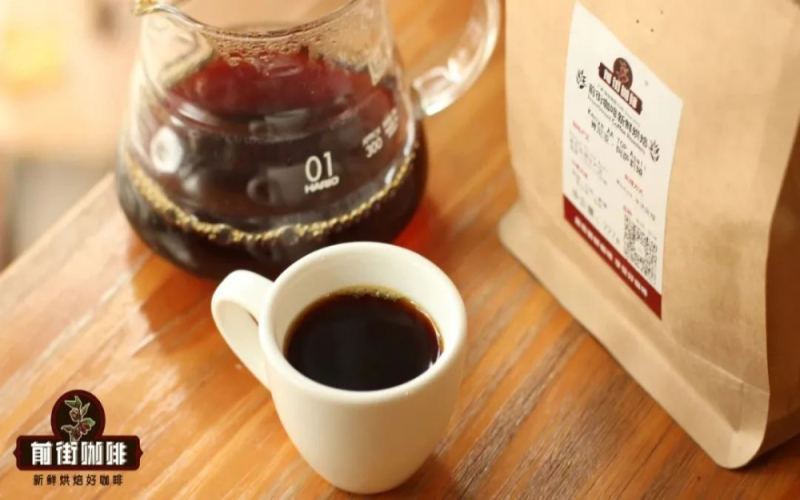
Can Tomato Juice Mixed with Coffee Be Drunk? The Truth About the Recipe and Taste of Cherry Tomato Iced Americano, Tested
Tomato scrambled eggs are common, but have you ever tried tomato coffee? After a certain brand launched tomato Americano, Front Street decided to verify it hands-on. We start with the logic of selecting cherry tomatoes, compare the performance differences between large tomatoes and cherry tomatoes in specialty drinks, and analyze why commercially available tomato beverages are not suitable for mixing directly with coffee. Then we document two fresh-juicing attempts—the first failed because the pulp was too thick, and the second, after adding water, blending, and filtering, yielded a clear juice. The final product was made with 90g ice cubes, 120g tomato juice, and 38g Warm Sun coffee liquid. On the palate, sourness and bitterness clash, with a noticeable astringency from the fruit skin. This whole hands-on test tells you: is this specialty drink really worth recreating? [more…]
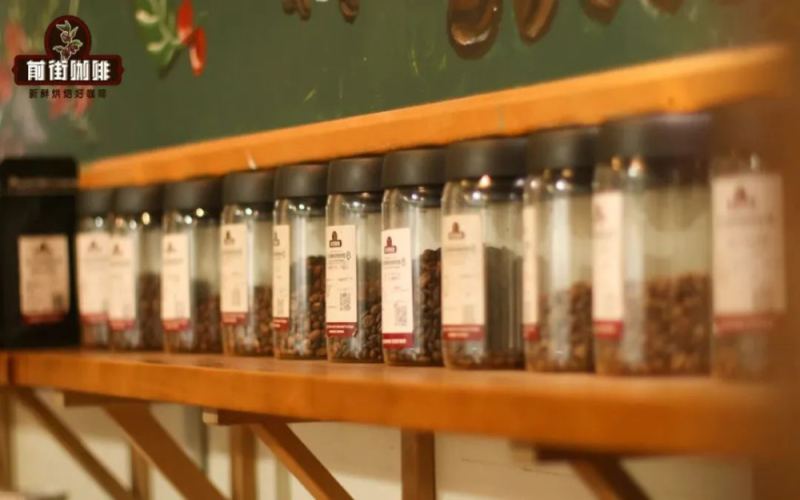
Can New and Old Coffee Beans Be Mixed Together for Pour-Over? Front Street Tests Three Brewing Comparison Groups
Many coffee enthusiasts often encounter this situation at home: the freshly bought coffee beans haven't rested long enough yet, while there's still a nearly used-up bag of older beans they're reluctant to throw away. To make up enough grounds for a full pot, some people mix two batches of beans with significantly different roast dates and brew them together. Does this actually affect the coffee's flavor? Front Street conducted a comparative experiment using the same Elida Estate Catuai, brewing three groups separately—old-date beans, new-date beans, and a 1:1 blend of old and new beans—recording everything from the state of the coffee bed and degassing performance to aroma and taste. This article combines the experimental process to analyze how the coffee bean resting period affects extraction, and offers practical suggestions for saving beans without sacrificing flavor. [more…]

Is There Cockroach Mixed in Coffee? What’s the Deal with Insect Content Allowed by Food Regulations?
A recent video claiming that coffee is allowed to contain 10% cockroaches has caused concern among many coffee lovers. The video mentions that insects often cannot be completely separated from coffee beans, so they go through the roasting and grinding process along with them. Most food regulatory agencies do allow a certain proportion of insect content in food. Cockroaches themselves are rich in protein and pose no direct harm to the human body, but people with allergies need to pay special attention to pre-ground coffee powder. This article will discuss this topic to help everyone view the issue of insects in coffee rationally, while continuing to focus on professional coffee knowledge and recommendations for high-quality coffee beans. [more…]
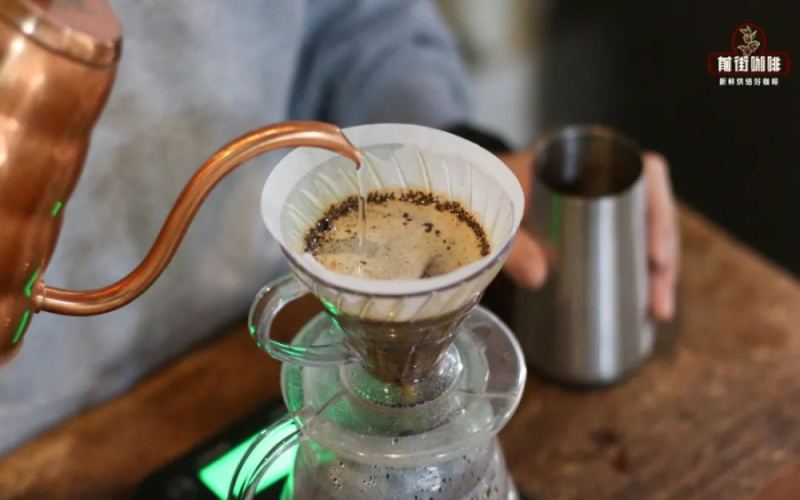
Why Does Pour-Over Coffee Frequently Turn Out Burnt, Harsh, and Bitter? An In-Depth Analysis of Over-Extraction and How to Fix It
Many coffee enthusiasts have encountered this frustration during pour-over brewing: even though the beans are of decent quality, the resulting coffee carries an unpleasant burnt or muddled bitterness. This flavor is often attributed to "over-extraction," but what exactly is the mechanism behind it? This article will systematically break down the science of over-extraction, analyze the various parameter factors that lead to excessively high extraction efficiency, and share Front Street Coffee's experience in building brewing recipes—specifically how choosing high-tolerance parameters can help avoid undesirable flavors—so you can more confidently brew a clean and delicious pour-over coffee. [more…]

Luckin drink exposed for being mixed with a large number of ants; consumer dissatisfied with compensation offer of five coupons
Recently, a consumer exposed on social media that a drink purchased from a Luckin Coffee store at a school was found with dozens of ants floating in it, sparking widespread attention. The store explained that sugar-loving ants might have crawled through the pipes into the syrup bottle, and since this order happened to be the first cup of the day, the staff failed to notice in time. Although the store has apologized and promised thorough disinfection and replacement of the syrup, and Luckin's customer service also offered five coupons as compensation, the consumer was not satisfied and has called 12315 to file a complaint, awaiting further official handling. The incident not only raised doubts among netizens about Luckin's food safety controls but also triggered heated discussion about compensation standards. [more…]